
The Short Answer
Most homeowners in the South Wales valleys pay between £5,000 and £12,000 for a full roof replacement, including scaffolding, waste removal and VAT. A mid-terrace with concrete tiles sits near the bottom of that range; a semi-detached or detached property finished in natural Welsh slate sits near the top, and large or complex roofs go beyond it.
Individual repairs are far cheaper. A slipped slate, a failed lead flashing or a cracked ridge tile is usually a few hundred pounds, not a few thousand — which is why an honest roofer will always tell you when a repair is the right call.
Typical Roofing Prices in the Valleys
| Work | Typical cost |
|---|---|
| Minor roof repair (slipped slates, small leak) | £150 – £450 |
| Chimney repointing or flashing renewal | £400 – £1,200 |
| Ridge and hip repointing (full roof) | £600 – £1,500 |
| Fascias, soffits and guttering (terrace/semi) | £1,200 – £2,800 |
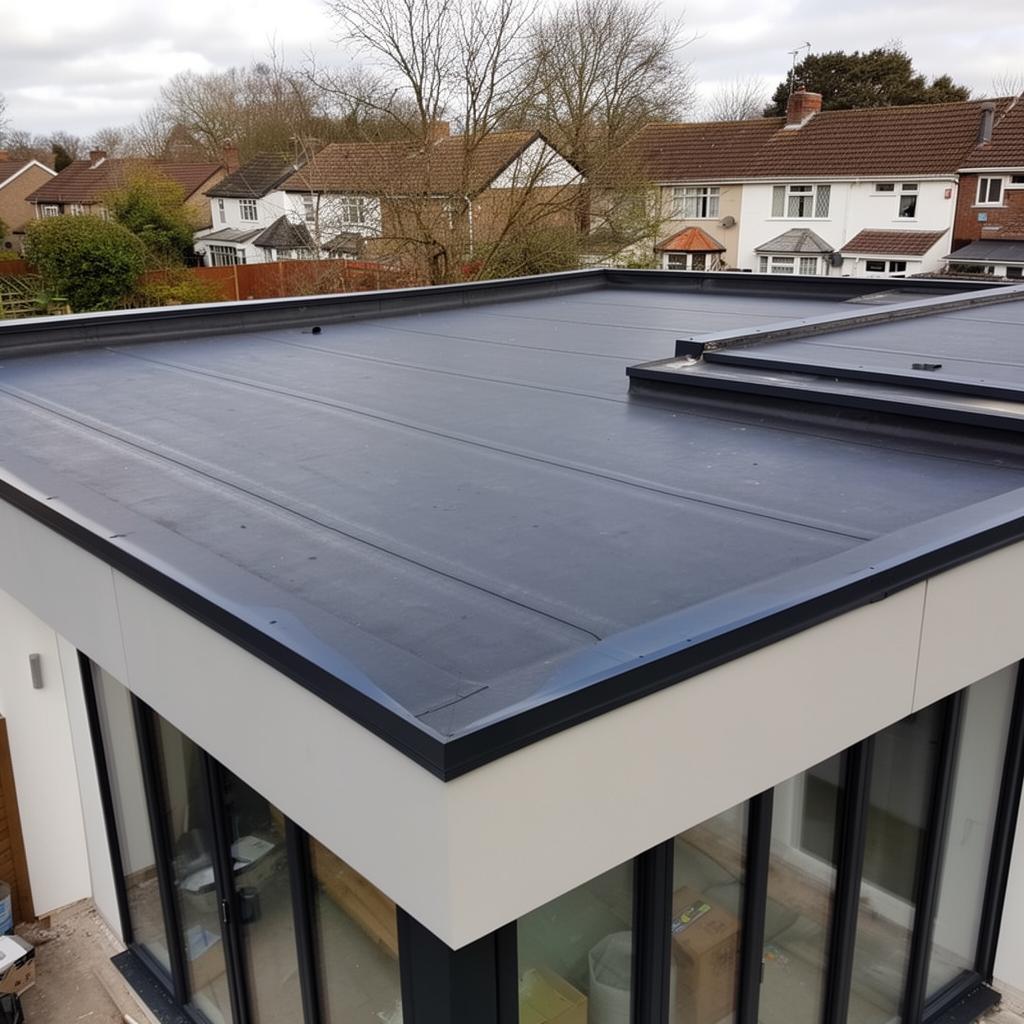
| Flat roof replacement (garage or extension) | £1,500 – £4,000 |
| Full re-roof – concrete tile, mid-terrace | £5,000 – £7,500 |
| Full re-roof – natural slate, semi-detached | £8,000 – £12,000 |
| Full re-roof – large detached property | £12,000 + |
These are honest guide figures for Tredegar, Ebbw Vale, Merthyr Tydfil and the surrounding valleys as of 2026. Only a site visit produces a real price — and ours is free.
What Actually Drives the Price
Roof size and pitch. Price is calculated per square metre of roof area, not floor area. A steep roof holds more area than homeowners expect, and anything above about 45 degrees slows the work down and adds labour.
Covering material. Concrete interlocking tiles are the most economical and perform well. Natural slate costs considerably more but lasts generations and suits older valley properties. Reclaimed slate sits somewhere in between and is often required in conservation areas.
Condition of the structure. Once the covering is off we can see the battens, felt and rafters. Perished sarking felt and rotten battens are normal on older roofs and are replaced as standard. Structural timber repairs — a sagging purlin or rot around a chimney — add cost, which is why a good quote states what happens if hidden defects are found.
Access and scaffolding. Terraced streets in the valleys often need scaffolding over a pavement or through a neighbour's garden, sometimes with a licence from the council. This is a real cost and should never be hidden or added later.
Detailing. Chimneys, dormers, valleys, hips and abutments all need lead work and careful workmanship. A plain rectangular roof with no penetrations is significantly cheaper per square metre than one with three chimneys and two valleys.
Extras worth doing at the same time. While the scaffold is up, replacing fascias and soffits or renewing guttering costs a fraction of doing it as a separate job later.
Repair or Replace?
- Isolated leak, covering otherwise sound — repair
- Handful of slipped or cracked slates — repair
- Widespread nail sickness (slates sliding all over) — replace
- Perished felt visible in the loft — replace
- Sagging roofline or failed timbers — replace with structural work
- Third repair in three years — replacing is cheaper long term
What a Fair Quotation Should Include
Compare quotes properly and the cheapest is rarely the best value. Every quotation you receive should clearly state the covering material and manufacturer, the type of underlay and battens, whether scaffolding and its licence are included, how waste is removed, whether VAT is included, the length of the workmanship guarantee, and what happens if hidden structural defects are found once the roof is stripped.
Warning signs of a bad quote
- • A verbal price only, or a figure scribbled on a scrap of paper
- • Large deposit demanded up front before materials are ordered
- • Pressure to decide today, or a 'discount if you sign now'
- • Cold callers who spotted a problem 'while passing'
- • No insurance details, no address and no written guarantee
- • Scaffolding and VAT conspicuously left out of the total
We photograph every defect before quoting, put the whole scope in writing, and never ask for money up front on domestic roof repairs. You can see finished examples on our our work gallery and read verified customer feedback on the reviews page.
Does Insurance Cover a New Roof?
Buildings insurance generally covers sudden, accidental damage — storm damage, impact from a fallen tree, or fire. It does not cover gradual wear and tear, which is what most re-roofs are. Where storm damage is genuine, we provide the dated photographs, written report and itemised costings insurers ask for, which makes claims far more likely to be settled without argument.
Getting the Best Value
Book non-urgent roofing work outside the autumn rush if you can — late spring and summer are quieter and scaffolding is easier to schedule. Combine jobs while access is in place. Ask for like-for-like specifications when comparing quotes rather than headline totals. And always use a local contractor with a fixed address you can find, because a guarantee is only worth as much as the company standing behind it.
Roof Cost FAQs
How much does a new roof cost in South Wales?
As a guide, a full re-roof on a typical valley terrace or semi in South Wales usually falls between £5,000 and £12,000 including scaffolding, VAT and waste removal. Concrete tile is at the lower end, natural slate at the higher end, and larger detached properties can exceed this range.
How long does a re-roof take?
Most terraced and semi-detached re-roofs take three to six working days once the scaffold is up. Larger or more complex roofs with dormers, valleys and chimneys can take up to two weeks.
Is scaffolding included in your quote?
Yes. Every quotation we issue includes scaffolding, safe access, waste removal and VAT, so the figure you approve is the figure you pay.
Should I repair or replace my roof?
If the covering is sound and the problem is localised — a few slipped slates, a failed flashing or a cracked ridge — a repair is far better value. Replacement makes sense when battens or felt have perished, nail sickness is widespread, or repairs have become an annual event.
How long should a new roof last?
A properly installed concrete tile roof should last 40 to 60 years, and natural slate can exceed 100 years. Flat roofing systems such as GRP and EPDM typically last 20 to 30 years.
Want a Real Price for Your Roof?
We will inspect your roof, photograph what we find and give you a fixed written price — free, with no obligation and no pressure.